Cymraeg on Camera: The Beauty Tutorials That Sound Like Home
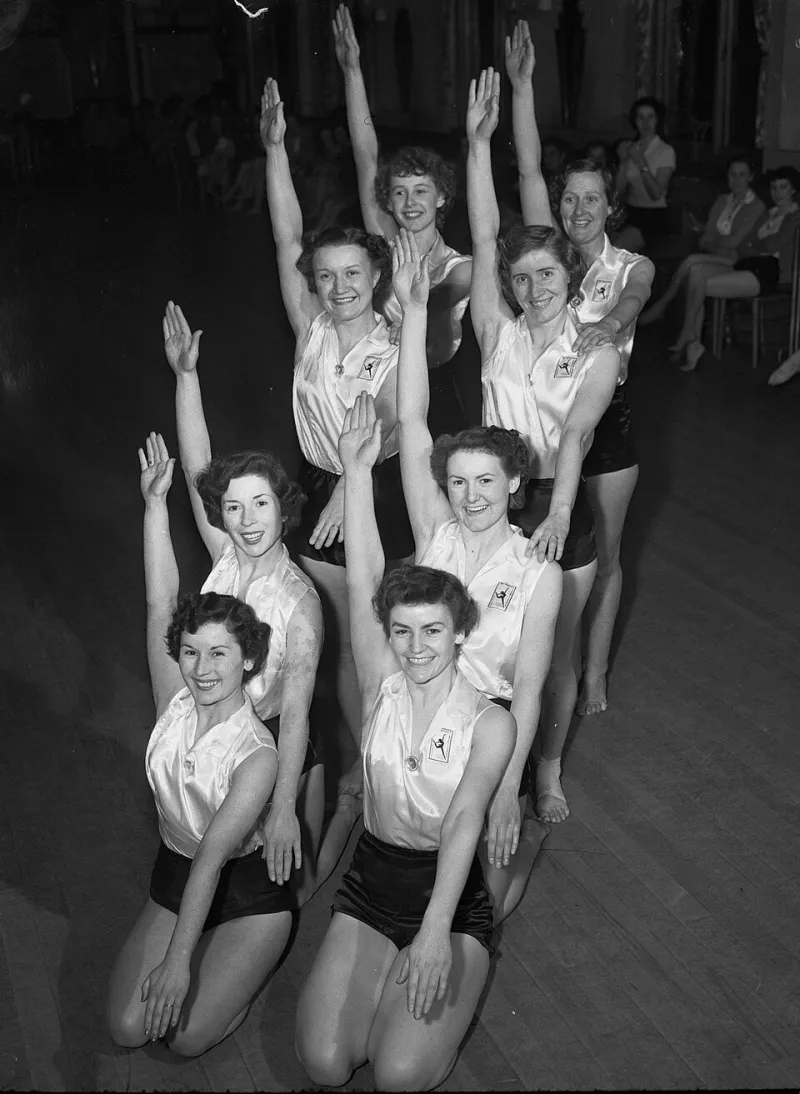
Photo: Geoff Charles, CC BY-SA 4.0, via Wikimedia Commons
Beauty tutorials have always been a bit of a mirror. You watch someone blend, buff and pat something into their skin, and you think: I could try that. But the mirror gets more interesting when the voice on the other side sounds like the one in your own kitchen. That’s the quiet charge behind the growing wave of Welsh-language beauty creators — makeup artists, skincare enthusiasts and salon owners filming in Cymraeg, not as a novelty, but as the default.
Here at Touch of Beauty Wales, we’ve been keeping an eye on this corner of the internet for a while. It isn’t a huge, shouty movement. It’s more like a series of small, generous rooms being opened up: someone doing a five-minute morning routine in Welsh, someone explaining how to choose a cleanser without making it sound like a chemistry exam, someone showing a salon blow-dry while the rain taps the window. In 2026, that feels quietly radical.
Why it feels like home
Language and beauty are both intimate things. You use them on yourself, often before you’ve had to explain yourself to anyone else. So when a creator says ‘golcha dy wyneb’ instead of ‘wash your face’, it isn’t just a translation. It’s a shift in atmosphere. The advice lands differently because it sounds like the place you come from — or the place you wish you sounded more like.
Mamiaith means mother tongue, and that’s the right spirit here. These aren’t stiff language lessons with a lipstick bolted on. They’re the language you reach for when you’re tired, happy, rushed or half-distracted. That makes the beauty content feel ordinary in the best way. A panad on the side, a hair clip in, a quick chat about SPF. No performance. No sudden switch into a more formal voice halfway through.
For UK audiences who don’t speak Welsh, the appeal is still there. You can hear the warmth, the rhythm and the local references. It’s a reminder that beauty advice doesn’t have to arrive in a generic accent to be useful. Sometimes the most helpful thing is a voice that sounds like a real person in a real place.
A handful of voices worth bookmarking
The accounts I keep returning to tend to fall into three camps. First, the Cardiff makeup artist doing bilingual get-ready-with-me videos. She’ll do a soft everyday base, explain why she’s pressing rather than sweeping, and slip between English and Welsh without making either feel like the main event. It’s the code-switching lots of people actually live with.
Then there’s the skincare creator in Caernarfon who films in natural light and keeps things almost stubbornly simple. Cleanse, moisturise, SPF, done. She’ll explain a ingredient in plain Welsh, then repeat the key point in English for anyone who’s still learning. No gatekeeping, no pretending that a ten-step routine is normal for a Tuesday night.
And there’s the salon owner near Carmarthen who uses short clips to show what actually happens in an appointment. Not just the finished blow-dry, but the consultation, the towel, the tea, the bit where you admit you haven’t used heat protection since August. It makes salon visits feel less like a test and more like a conversation. That matters, especially for anyone who has ever felt out of place in a beauty space.
What they do differently
The best Welsh-language beauty creators aren’t trying to translate English content word for word. They’re building a tone. They keep the language ordinary. They use the room they’re in. They let the weather be Welsh. They don’t apologise for the accent or over-explain the fact that they’re speaking Welsh.
They also make space for both languages. A caption might be in Cymraeg with an English summary underneath. A video might be mostly Welsh with a few English terms for products or techniques. That’s not laziness. It’s how bilingual people actually talk. And it’s a much kinder entry point for viewers who are curious but rusty.
The practical takeaway is simple: good beauty content doesn’t just tell you what to do. It makes you feel like you’re allowed to do it your way. When the language fits, the advice fits better too.
Try it at home: the mother-tongue method
You don’t need to film anything to borrow this approach. Try narrating your evening routine in the language you think in — or the one you’re learning. ‘First, cleanse. Then serum. Then moisturiser.’ Saying it out loud slows you down and makes you notice what you’re actually doing. It’s a small act of attention.
If you’re learning Welsh, build a tiny beauty phrase bank. Five words will do: wyneb (face), croen (skin), llygaid (eyes), gwefusau (lips), haul (sun). Use them in a caption, a note on your phone or a comment on a creator’s video. You’ll be surprised how quickly they stick when they’re attached to something you already care about.
Make one bilingual caption of your own. It could be as simple as ‘Skin first, glow second’ and its Welsh equivalent. Or a mini review of a moisturiser. The point isn’t perfection. It’s practice, and a bit of pleasure.
And if you’re booking a salon appointment, don’t be afraid to ask whether they offer Welsh-language appointments or bilingual chats. More places do than you might think, and asking helps normalise it.
If your Welsh is rusty
You don’t need fluency to listen. Start with subtitles on, volume up, and no pressure to understand every word. Watch one short tutorial a week. Follow one Welsh-language creator who makes you feel welcome rather than tested. If you want to reply, ‘dwi’n dysgu’ — I’m learning — is a perfectly good place to begin.
The bigger point is that beauty advice is always more powerful when it sounds like the place you come from. Not because one language is better than another, but because familiarity lowers the barrier. It makes the routine feel possible. It makes the salon feel less intimidating. It makes the mirror a little friendlier.
That’s what these creators are building, one short video at a time: a sense that Cymraeg belongs in beauty spaces, and that beauty spaces belong to everyone who sounds like home.