Market Stall to Bathroom Shelf: A Welsh Indie Beauty Edit Under £25
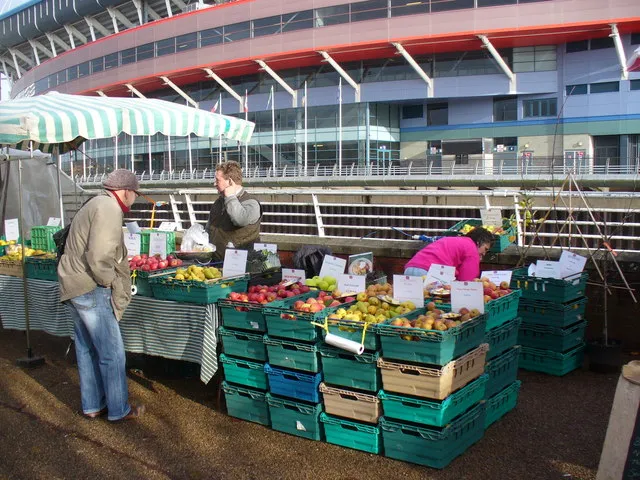
Photo: Colin Smith, CC BY-SA 2.0, via Wikimedia Commons
There is a certain kind of Welsh market stall that pulls you in before you have even decided to buy anything: brown glass bottles, handwritten labels, a bowl of testers and a maker who genuinely wants to talk about beeswax. In 2026, small beauty brands are a familiar sight at farmers' markets in Abergavenny, Cardiff, Hay-on-Wye and Ruthin, as well as at community fairs and church halls. The good news is that you do not need a huge budget to shop them well. Here is how to build a small, useful edit for under £25.
Why buying small can still be budget-friendly
Small-batch beauty is not always cheaper than the high street — and it should not pretend to be. What it can offer is a more focused purchase. Instead of buying a ten-step routine, you buy one balm you actually use. Many makers sell sample sizes, tester pots or gift sets that let you try before committing. Set yourself a cap, choose one or two things, and treat the rest as browsing. A £12 balm that earns its place on the shelf is better value than three £8 products that sit unused.
What to buy first: the £10–£15 workhorses
Start with the boring, useful things. A multi-purpose balm is the classic market buy: one tin for dry hands, cuticles and elbows. Look for short ingredient lists — beeswax, shea butter, olive oil, calendula — and ask whether it is scented. A simple bar soap from a Welsh maker is another good first purchase, especially if you choose one without heavy fragrance. Lip salve is usually under £5 and makes a sensible tester of a maker's style. These are the products you will actually finish.
Bath and body: the £15–£20 treat
This is where a market stall starts to feel like a small luxury. Bath salts, body oils and hand creams are common finds, often scented with lavender, rosemary or something more local-feeling like gorse or heather. If you have sensitive skin, ask for an unscented version and patch-test first. A body oil is a good buy if you like a simple after-shower routine; a hand cream is better if you want something for your bag. Check the date on the label and avoid anything that has been sitting in direct sunlight.
Scent: the £20–£25 splurge
Solid perfumes, rollerballs and small room mists are popular at Welsh craft fairs. They are a gentle way to try a maker's nose without spending £60 on a full bottle. Ask how the scent wears on skin — citrus top notes fade quickly, resins and woods last longer. If you are buying a gift, a solid perfume in a small tin is easy to post and hard to break. If you are buying for yourself, test it on your wrist and walk around the market for ten minutes before deciding.
Skincare: what is worth it under £25
Small makers often excel at oils, balms and clay masks — products that do not need a complicated preservative system. They are trickier when it comes to water-based products like toners, serums and creams, because those need a proper preservative to stay safe. That does not mean avoid them; it means ask questions. A facial oil or a simple clay mask is a safer bet under £25 than a 'natural' water-based serum with no preservative listed. If a maker cannot tell you what is in it or when it was made, politely move on.
How to check ingredients and shelf life at the stall
You are allowed to ask for the INCI list — the standard ingredient names — and a batch date. Look for a period-after-opening symbol (the little open jar with a number of months) or a use-by date. Anhydrous products like balms and oils generally last longer than water-based ones, but they still degrade. Ask how the maker recommends storing it: a cool, dark cupboard is usually better than a sunny bathroom shelf. If you have eczema, rosacea or allergies, patch-test behind your ear or on your inner wrist for a couple of days. And ignore 'chemical-free' claims — everything is a chemical. What matters is the formula and how your skin responds.
The practical stall checklist
Take a tote bag, a little cash and a phone note of what you already own. Ask about samples. Do not stockpile just because something is on offer. Buy seasonal if you can — a lighter oil for summer, a richer balm for winter. If you are buying a gift, ask the maker to write the ingredients on a card. And if you are unsure, buy the soap. It is hard to get wrong, easy to use and usually under £8.
A small edit that feels like Wales
The joy of market shopping is the conversation. You are not just buying a product; you are buying a maker's time, a local story and a formula that has usually been tested on friends and family before it reached the stall. Start with one balm, one soap and one scent you actually like. That is a perfectly good beauty edit — and it will still leave you change from £25.