Permission to Say Nothing: The Rise of Calm Salon Visits in Wales
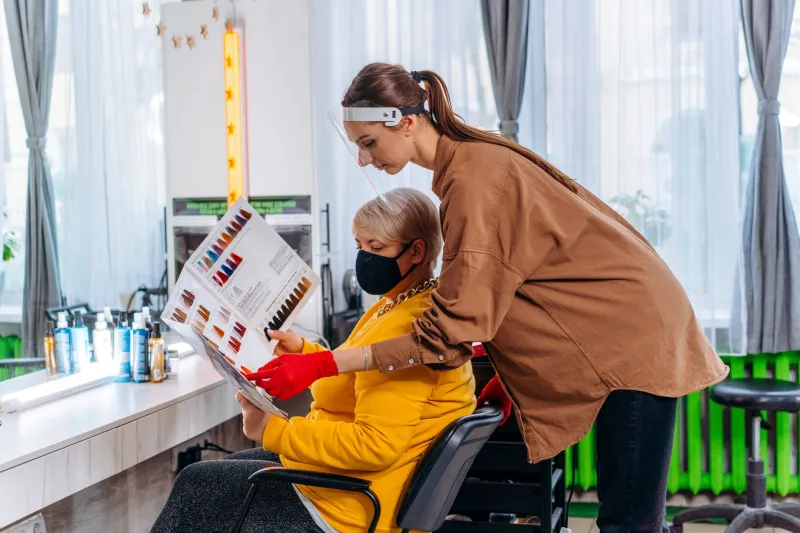
There is a particular kind of tiredness that follows a long week in work, a train home in the drizzle and the realisation that you have a haircut at 9am tomorrow. You want the cut. You want the head massage and the feeling of leaving with a bit more spring in your step. What you do not want is twenty minutes of small talk about your weekend before you have had a coffee. If that sounds familiar, you are not alone.
Across Wales, salon owners are noticing more clients asking for a quieter appointment. Not a silent one, necessarily. Not a cold one. Just a visit where the chat is optional, the lights are a little softer, and nobody takes it personally if you close your eyes for a minute. From the arcades of Cardiff to high-street salons in Carmarthen, the old idea of the chatty chair is being gently rethought. And honestly, it is about time.
Quiet is not the same as unfriendly
Wales has a well-earned reputation for warmth. We talk to strangers in queues, we know the person behind the till, and we are not shy about asking how your mam is. That friendliness is a gift. But it can also make it feel awkward to admit that you would rather not chat while someone is cutting your fringe. A lot of us have been conditioned to think that a salon appointment is a social performance. You ask questions. You laugh at the right moments. You pretend you have plans on Saturday night even if your plan is a box set and a hot water bottle.
The shift towards low-talk appointments is not about removing warmth. It is about giving people room to choose how they want to receive it. For some clients, that means a lively natter and a full catch-up. For others, it means a nod, a smile and the chance to sit quietly while someone else takes care of the details. Both can be welcoming. Both can be Welsh.
What a low-talk appointment actually looks like
Salons are approaching this in different ways, but the most successful versions are simple rather than clinical. You might see a quiet option on an online booking form. You might be offered a card at reception with a few preferences: happy to chat, prefer quiet, would like to discuss the cut only. Some spaces are putting aside slightly longer appointment slots so there is no rush, turning down the music a notch and making sure strong fragrances are kept to a minimum.
Other small changes make a bigger difference than they sound. Headphones are increasingly welcome. A stylist might agree a simple signal for when the consultation is done and the quiet can begin. Appointments can be staggered so the salon feels less busy. None of this has to cost much. It is mostly about noticing that clients arrive with different needs and different amounts of social energy.
This matters for a lot of people. It can help neurodivergent clients who find small talk exhausting or unpredictable. It can help anyone dealing with anxiety, hearing differences, chronic pain or the kind of burnout that makes ordinary conversation feel like a task. It can help new parents who have spent all day being climbed on and just want half an hour where nobody needs anything from them. And it can help the rest of us too, on the days when life is already loud enough.
How to ask without making it awkward
The biggest barrier is often not the salon. It is the fear of seeming rude. So here is the straightforward version: you are allowed to ask for what you need. At booking, try something like: I would love a quieter appointment if possible. I am happy to chat through the cut, but I would prefer not to make small talk. That is clear, kind and easy for a salon to accommodate. If you would rather not say it out loud, send an email or use the contact form. Many salons appreciate the heads-up because it helps them plan.
You do not owe anyone a detailed explanation. You do not have to mention anxiety, sensory issues or a difficult week unless you want to. A good stylist will understand that quiet is a preference, not a judgement on their company. If you are worried about the consultation, bring a few notes or a photo on your phone. Agree the plan, then settle in. A simple line such as I am happy to sit quietly once we have decided on the shape can take the pressure off both sides.
What Welsh salon owners are saying
Owners across Wales report that these requests are becoming more common, especially among younger clients and people who book online. The message from salon floors is encouraging: small adjustments are worth making because they turn a nice appointment into one that genuinely works for the person in the chair. One Carmarthen-based owner described it as giving clients permission to take the weight off. A Cardiff stylist said the quiet clients are often the most loyal, because they feel seen without having to explain themselves.
There is also a practical business case. Salons that advertise calm or sensory-friendly slots are reaching people who might otherwise avoid appointments altogether. That is not a niche market. It is a lot of people who want good hair, kind service and a bit of breathing room.
The best trend is letting clients breathe
Beauty trends come and go. This one feels different because it is not really about a look. It is about how a space makes you feel. A salon can be warm and welcoming without being non-stop. A stylist can be friendly without filling every silence. And a client can be polite without performing a version of themselves that they do not have the energy for.
So if you are booking a cut, colour or blow-dry this winter, remember that you are allowed to ask for the appointment you actually want. The quiet chair is not a rejection of Welsh warmth. It is an expansion of it. Sometimes the most generous thing a beauty space can offer is a bit of peace, a good cup of tea and the freedom to say nothing at all.