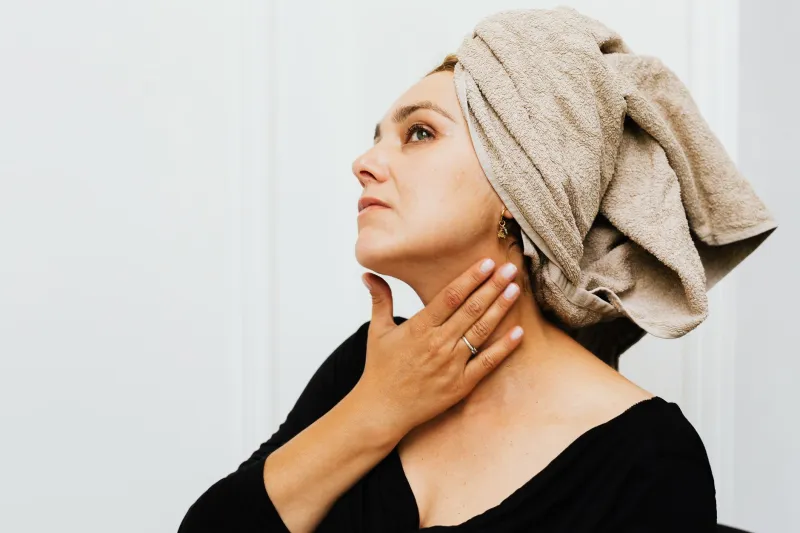
Bring a Jar, Leave With a Ritual: Inside Wales' Winter Beauty Swaps
Photo: CDC, Public domain, via Wikimedia Commons
On a wet Tuesday in November, the brightest thing in the village hall is usually the urn. This winter, it is the table by the door: a long trestle covered in jam jars, pump bottles and the occasional ceramic dish, each with a little handwritten label. Welcome to the Welsh beauty swap night — part declutter, part catch-up, part quiet lesson in buying less and sharing more.
These are not glossy events. There is no till, no goodie bag and no pressure to buy. There is a kettle, a plate of bara brith, and a room full of people who would rather pass on a moisturiser they never got on with than let it sit at the back of a cupboard for another year. If you have been meaning to reset your shelf without spending a fortune, this is the warmest route in.
How a swap night actually works
Most swaps follow a simple rhythm. You arrive with a small bag — usually up to five items — and hand them to the volunteer at the door. They check the basics: is it clean, is it at least half full, does it have a visible date, has it been opened for longer than its little jar symbol allows? Then you get a token for each item accepted. Some events use stickers, some use a points sheet, some just trust the room. The first half hour is for browsing, labelling and asking questions. The second half is for choosing.
If two people want the same bottle of serum, there is usually a polite coin toss or a swap back. Nobody minds. The whole point is that the table is a community noticeboard, not a shop. You might come home with a cleanser that suits your sister better than you, a perfume mini you have been curious about for months, or a rich night cream that someone with drier skin could not get along with. You might also come home with nothing at all — and that is allowed.
What to bring, and what to leave at home
Bring the things you liked but did not love: a cleanser that felt a bit tight, a moisturiser that was too rich, a serum that did nothing visible, an unopened gift set from a well-meaning aunt. Bring perfume minis, hair masks, nail polish that is still glossy, and clean tools you have genuinely stopped using. Bring the box, the spatula, the little scoop if you still have it. Label what you can. A strip of masking tape with 'opened in September, too fragranced for me' is more useful than a mystery bottle.
Leave at home anything expired, anything opened for longer than its period-after-opening symbol, and anything you would not feel comfortable passing to a friend. That means no opened mascara, no liquid eyeliner that has been hanging around since 2024, no sunscreen that has been in a hot car, no prescription or medicated creams, no dirty sponges, and no products in packaging that has split or leaked. A swap is not a bin. The rule is simple: if you would not offer it to someone you like, do not put it on the table.
The indie makers in the room
What has changed this winter is who is turning up. Local soap makers, balm makers and independent skin therapists are booking a corner of the hall rather than a full stall. They are not there to hard-sell. They are there to answer the question that keeps coming up: 'what is actually in this, and is it right for me?' In one hall you might find a five-minute demo on reading an ingredient list without panic. In another, a ten-minute skin consultation with a local facialist who will tell you kindly but plainly that you probably do not need another acid.
Welsh indie makers have been joining in with tester pots, refill tins and mini demos — the kind of low-key expertise that fits a village hall far better than a counter under strip lights. It also means the swap table is not just a graveyard for unloved products. It is a place to learn why a simple balm might suit your winter skin better than a ten-step routine, and to meet the person who made it.
The etiquette bit nobody prints
Ask before you swatch. Even a pump bottle has a story, and some people are particular about opened products. Keep your voice low when you are discussing someone else's cast-offs. If you pick something up and then change your mind, put it back neatly, not behind the tea urn. Bring a tote bag for your finds. And respect the quiet 'no thanks' — some people come to swap, some come to chat, and some come to sit with a cup of tea and remember what it feels like to be in a room full of people without spending anything.
There is also the unspoken rule of not taking items to resell. Swap nights run on trust. If you are there for the community, the table gives back. If you are there for a quick profit, the room can tell.
Why it works in Wales
Part of it is cost. Beauty routines have become expensive, and a swap night is a practical way to try something new without another delivery van on the street. Part of it is waste. Most of us have a shelf of half-used products that we feel vaguely guilty about. Part of it is the simple Welsh pleasure of a hall, a kettle and a reason to leave the house in the dark.
But the best swaps have something else: a sense of cynefin, that feeling of belonging to a place and the people in it. You are not shopping. You are passing things on, having a nosy at what works for other people, and learning that the woman across the table has exactly the same problem with flaky patches in January. That is worth more than a discount code.
If you are thinking of going
Check the noticeboard in your local library, the community centre, the church hall, or the village WhatsApp group. Swaps are often advertised quietly — a poster in the post office, a story on a local maker's Instagram, a mention in the free paper. Take a small bag, a clean jar or two, and a willingness to chat. Take cash for the hall fund if there is a donation tin. Take a friend if you are nervous. Leave your phone in your pocket for the first twenty minutes.
And if there is no swap near you yet, this might be the winter to start one. Book the hall, put the kettle on, ask a local maker to bring a tester pot, and make the rule clear: bring what you would offer a friend, leave with what you will actually use. The rest is just folding tables and warm conversation.
Bring a jar. Leave with a ritual. And put the kettle on for the next one.