Flannel, Cream, Rain: The Welsh Skin Rituals Making a Quiet Comeback

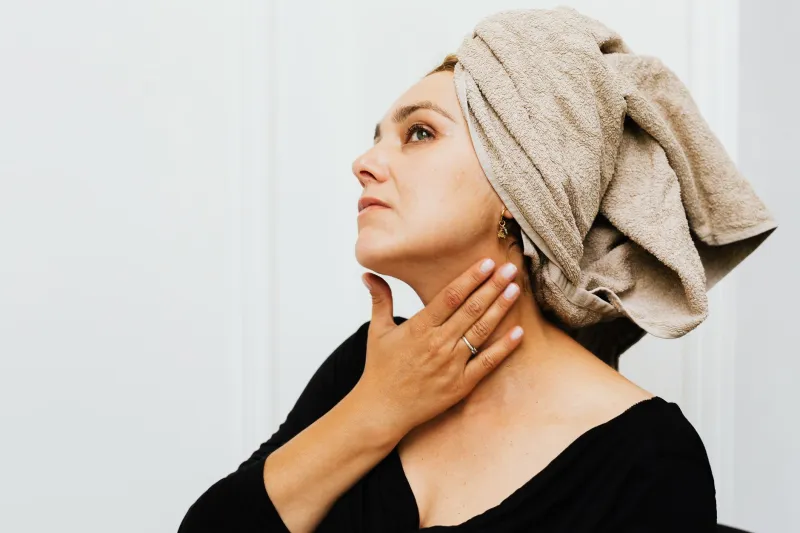
Photo by Photo by Poko Skincare on Unsplash on Unsplash
Every Welsh bathroom has a small, unglamorous shelf. It might hold a jar of cold cream, a folded flannel, a tin of balm with the label worn off, and a bottle of something that smells faintly of the family home. For years, that shelf looked old-fashioned beside the bright serums and acids. In 2026, it is quietly being rebuilt.
The comeback is not about pretending the past was simpler. It is about noticing which inherited habits still do a job. Welsh makeup artists, salon owners and families keep coming back to the same point: a lot of modern skin trouble starts when we strip too much and add too fast. The old shelf was built on the opposite idea. Cleanse gently, warm the skin, seal it, leave it alone.
Why the old shelf works now
Welsh weather is a good editor. It gives us wind, drizzle, indoor heating and a lot of temperature changes in one day. Skin that is already dry or reactive does not need a ten-step routine to cope with that. It needs a barrier that stays intact.
The inherited habits that are resurfacing are not exotic. They are cheap, repeatable and easy to understand. A flannel instead of a face wipe. A plain cream instead of a foaming cleanser. A thin balm at night instead of a new active every week. That is not a trend cycle. It is maintenance.
A Cardiff makeup artist put it plainly to me: the best base she sees is not the one with the most products underneath. It is the one where the skin has not been scrubbed into a state. That is why the old shelf is winning again. It asks less of the skin, not more.
The flannel compress is not a face wipe
The flannel is the most misunderstood item on the shelf. Used badly, it is just a reusable cloth dragged across the face. Used well, it is a warm compress. The difference matters.
Run a clean flannel under warm water, not hot. Press it over the face for twenty or thirty seconds, then lift. Do not scrub. The warmth softens anything sitting on the skin and makes cleansing feel less like a job. In the morning, it can be enough on its own for drier skin. In the evening, use it after a cream or balm cleanser to lift residue without tugging.
Hygiene is the whole ritual. Use a fresh flannel every two to three days, wash them at 60C with a non-biological detergent if your skin is sensitive, and keep one for the face only. A pretty stack of flannels is not decoration. It is the reason the habit works.
Cold cream, with the label read properly
Cold cream fell out of fashion because it felt old. In 2026, that is exactly why some people are picking it up again. A basic cold cream can work as a first cleanse or as a thin overnight layer on dry patches. It is not a treatment for acne. It is not a replacement for sunscreen. It is a comfort product, and comfort has a place.
If you are buying one, read the label as you would any other skincare. Fragrance-free is safer for reactive skin. If you have rosacea, eczema or a history of sensitivity, patch test on the jaw first. The old shelf had fewer products, but it did not have better allergy testing. Keep the habit, lose the guesswork.
Rainwater rinses and the soft-water myth
The rainwater rinse is the romantic one. It sounds like a Welsh poem: cool water from the water butt, splashed on the face at dawn. The reality needs a little care. Collected rainwater is not sterile. Do not use it on broken skin, around the eyes or on anyone with a compromised immune system. If you want the soft-water feeling, a cool tap rinse or a filtered shower head is the safer route.
The useful part of the ritual is the temperature, not the source. Cool water can feel calming, especially after central heating. It will not close your pores, because pores do not open and close like windows. But it can reduce that hot, tight feeling after a bath. That is worth keeping.
Balm before bed, not ten steps
The barrier balm is the quiet hero of the inherited routine. Welsh lanolin has had a lot of attention lately, and for good reason: it is a proper occlusive, and it is local. But it is not for everyone. Lanolin allergy is real. Patch test behind the ear and leave it twenty-four hours before putting it on your face.
If lanolin is not for you, a simple beeswax or calendula balm can do the same job. The method is the same either way. Warm a tiny amount between fingertips and press it over the cheeks, around the nose and on any dry patches. Do not massage it in like a moisturiser. Let it sit. A thin layer is enough. More is not better.
What to leave on the shelf
Heritage is not a free pass. Some old habits should stay in the past. Lemon juice, bicarbonate of soda, toothpaste on spots and salt scrubs are all harsh enough to damage the skin barrier. The fact that someone used them in 1986 does not make them wise in 2026.
The keepers are the gentler ones: warm compresses, plain creams, cool rinses, a barrier balm and fewer products overall. That is a routine you can explain to anyone. It is also a routine that costs less than a single new serum.
A three-step inherited routine for 2026
Morning: press a warm flannel over the face, apply a simple moisturiser, then sunscreen. That is it. If your skin feels tight, add one drop of facial oil to the moisturiser rather than another layer.
Evening: massage a cream or balm cleanser over dry skin, remove it with the warm flannel, then press a thin barrier balm over dry patches. If you use a retinol or acid, keep it on the nights you are not using the balm as your main event. The old shelf was not about stacking. It was about giving the skin a break.
Weekly: use the flannel compress for a little longer, maybe five minutes, while you are waiting for the kettle. It is not a treatment. It is a pause. That might be the most Welsh beauty habit of all.
Where to find it locally
You do not need a heritage brand to do any of this. Welsh makers at farmers markets, independent pharmacies and small salon shelves are full of plain balms, flannels and unscented creams. Ask what is in the tin. Ask whether it is fragrance-free. Ask whether it is made for the face or just for hands. The old shelf was never about blind loyalty. It was about knowing what worked and passing it on.
In 2026, that is the real comeback. Not a jar that looks vintage, but a routine that feels inherited in the best way: useful, affordable and kind to skin that has had enough weather for one week.